





EV Charging at Home: Level 1 vs Level 2 and When to Upgrade
EV charging at home works at two speeds: Level 1, which is the cord that came with the car plugged into an ordinary 120 volt wall outlet, and Level 2, which is a 240 volt charger on its own circuit. Level 1 is enough for a plug in hybrid or a short commute; Level 2 is what most Pittsburgh EV owners want once the car is their daily driver. We wire for both, and a common path to one of our Level 2 EV charger installations in Pittsburgh is a few weeks on Level 1 and a car that never quite catches up overnight. Here's the difference, when the wall outlet stops being enough, and what a Level 2 install involves here.
Short answer: Level 1 adds a few miles of range per hour from a standard outlet. Level 2 adds several times that from a 240 volt circuit. If you drive more than a short commute, park in a cold garage, or own a full battery EV rather than a plug in hybrid, plan for Level 2.
What Level 1 and Level 2 EV charging at home actually mean
The "levels" describe the power the charger can deliver, not the brand or the plug on the car. Both levels use the same charge port (J1772 or NACS), and the car's onboard charger converts AC from your house into DC for the battery. The level just sets how much AC the car can pull.
Level 1 is 120 volts from a regular household receptacle. The portable cord in the trunk is a Level 1 charger. It typically draws 12 amps and adds roughly three to five miles of range per hour.
Level 2 is 240 volts, the same kind of circuit that feeds an electric dryer or range. A home Level 2 charger is usually set between 32 and 48 amps and adds roughly 20 to 40 miles of range per hour. A full battery EV that comes home nearly empty is full by morning.
The U.S. Department of Energy's Alternative Fuels Data Center has a plain description of both.
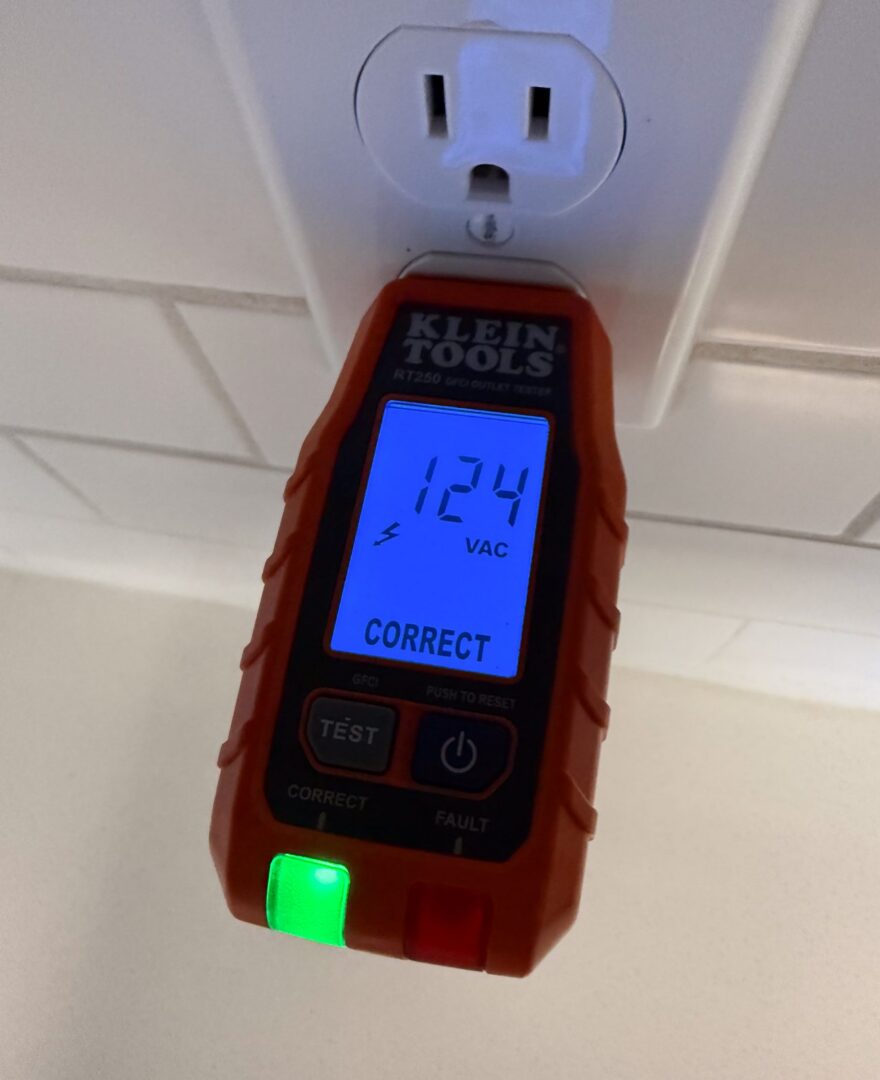
Level 1 charging has one real advantage: nothing to install. If the garage already has a receptacle within reach of the car, you plug in and walk away.
The catch is that the outlet needs to be in good shape and on a circuit that isn't shared with much else. Many Pittsburgh garages, especially detached brick garages behind 1920s to 1950s houses, have one or two receptacles on a single 15 amp circuit that also feeds the lights, the door opener and sometimes a freezer. A 12 amp continuous load on that circuit for ten hours a night means a tripped breaker, a warm receptacle, or both.
A Level 1 cord plugs into an ordinary 120 volt household outlet and adds only a few miles of range per hour.
Photo: Tony Webster, CC BY-SA 4.0, via Wikimedia Commons
How much range you really get overnight
The number that matters isn't peak speed, it's how many miles you can put back while the car is parked. Here's a rough comparison for an overnight window. These are general ranges, not a promise for any particular car; the onboard charger, battery size and outside temperature all move the numbers.
| Charging setup | Circuit | Typical range added per hour | Added in a 10 hour overnight window |
|---|---|---|---|
| Level 1 (portable cord) | 120 volt, 15 or 20 amp receptacle | About 3 to 5 miles | About 30 to 50 miles |
| Level 2, 32 amp charger | 240 volt, 40 amp circuit | About 20 to 25 miles | A full charge for most cars |
| Level 2, 48 amp charger | 240 volt, 60 amp circuit, hardwired | About 30 to 40 miles | A full charge with time to spare |
Thirty to fifty miles a night covers many commutes inside Allegheny County on paper. Real life stacks on top: a weekend trip, a cold snap, two drivers sharing one car, a night you forgot to plug in. With Level 1, one bad day takes two or three nights to recover from. With Level 2, every morning starts full.
The plug in hybrid exception
If you own a plug in hybrid with a small battery, Level 1 may be all you ever need. A battery that holds 25 to 45 miles of electric range refills from a wall outlet overnight, and when it runs out the gas engine takes over. Plenty of PHEV owners never install anything.
When the wall outlet stops being enough
We hear the same handful of complaints from homeowners ready to move past Level 1. If two or more sound familiar, it's time to plan a Level 2 circuit.
- The car isn't full in the morning. If you're leaving with a partial charge more than once a week, Level 1 can't keep up with how you drive.
- The breaker trips or the outlet gets warm. A warm receptacle or plug after charging means the outlet, its wiring or its connections aren't up to a 12 amp load for hours on end. Stop using it and have it looked at.
- Winter cut your range. Cold batteries charge slower and give back fewer miles. A Pittsburgh January can turn a Level 1 setup that was fine in August into one that never catches up.
- A second EV is coming. Two cars on one wall outlet doesn't work. One Level 2 charger, or two with load sharing, does.
- You're running the cord through a window or door. Extension cords and charging through a cracked window are how cords get damaged and fires start. The fix is a proper circuit where the car parks.
A Level 2 charger changes the daily routine. You plug in when you get home, the car is full by morning, and you stop thinking about range for local driving. Most units mount to the garage wall, and a hardwired unit with a cable long enough to reach either side of the car is what we recommend for a two car garage.
If you're choosing between a NEMA 14-50 receptacle and a hardwired unit, our post on NEMA 14-50 outlet vs hardwired EV chargers covers that decision. Hardwired is cleaner, supports 48 amp charging, and avoids receptacle wear.
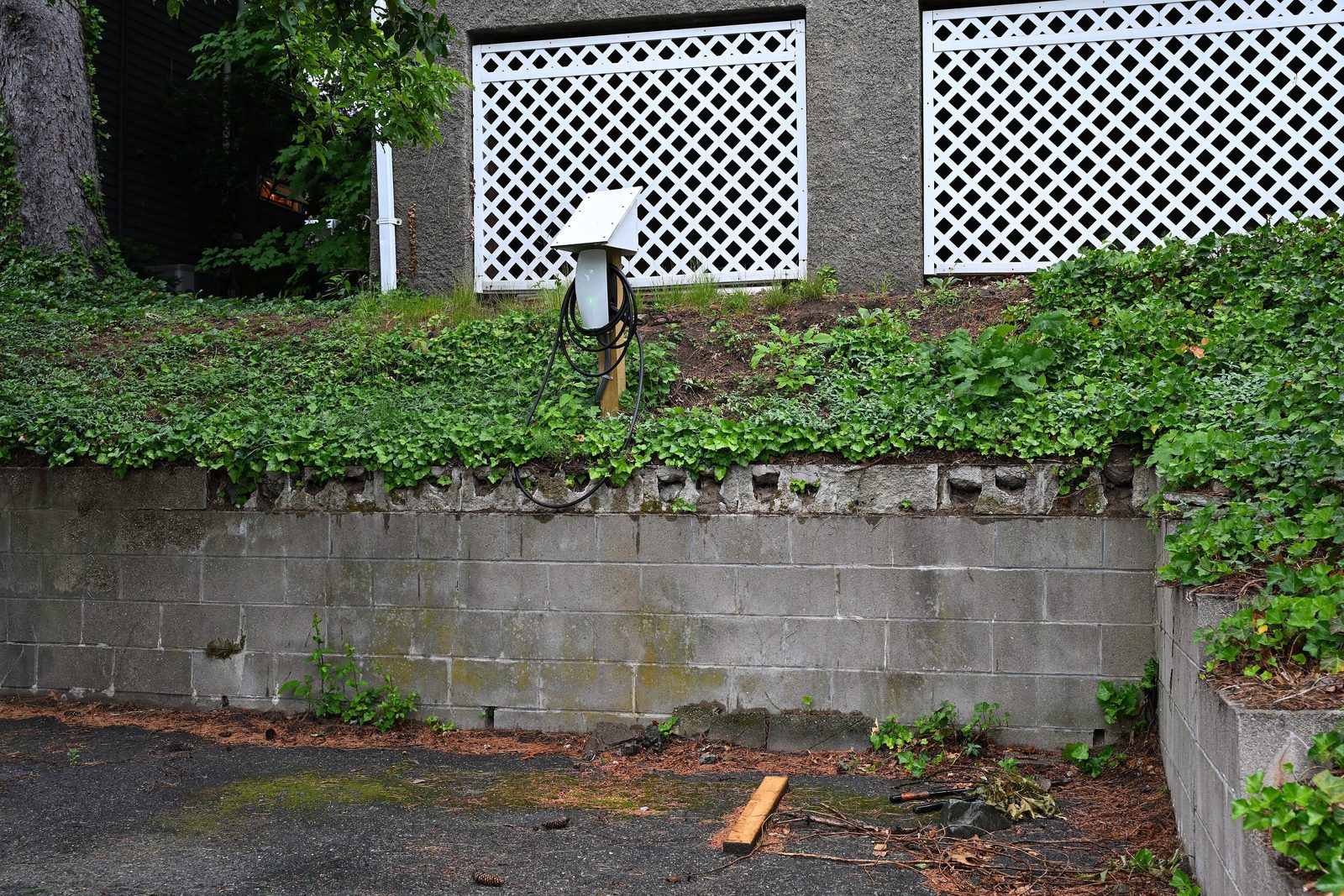
A wall mounted Level 2 charger on its own 240 volt circuit is the standard home setup for a full battery EV.
Photo: 4300streetcar, CC BY 4.0, via Wikimedia Commons
What a Level 2 circuit requires
A Level 2 charger is a dedicated 240 volt branch circuit from your panel to the charger. The National Electrical Code treats EV charging as a continuous load, so the circuit is sized at 125 percent of the charger's maximum output. A charger set to 32 amps needs a 40 amp circuit; a charger set to 48 amps needs a 60 amp circuit and must be hardwired. Article 625 of the NEC (NFPA 70) also requires that the circuit serve only the charger.
At the panel, that means two open spaces for a double pole breaker, and enough service capacity to carry the new load on top of everything else. That second part is where a lot of Pittsburgh homes get interesting.
Panel capacity in a Pittsburgh house
Much of the housing stock in Mt. Lebanon, Bethel Park, McCandless and the city neighborhoods was built between the 1920s and 1960s. Many of those homes still have 100 amp service, and some have 60 amp service behind a fuse box. Add central air, an electric dryer and a range, and a 100 amp panel may have no room for a 40 or 60 amp charger circuit even if the breaker slots are open.
We run a load calculation before every install. Sometimes your panel handles it fine. Sometimes the answer is a charger set to a lower amperage, or one with built in load management that throttles itself when the house is busy. Sometimes the right answer is a service upgrade to 200 amps, which also sets you up for a heat pump or an induction range later. We walk through that check in Can your Pittsburgh home handle an EV charger?
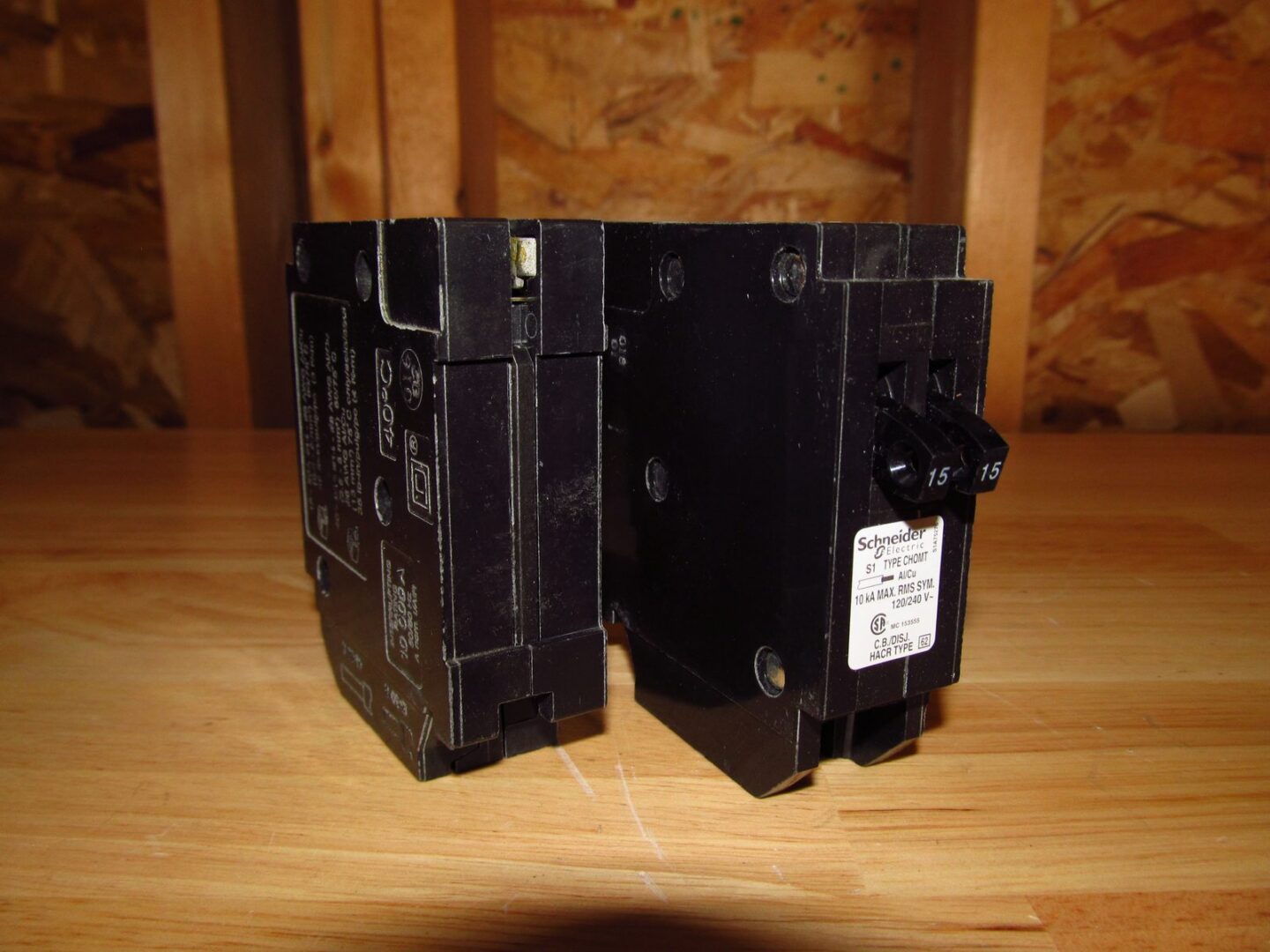
A few panel situations come up often enough that we check for them on every EV estimate. Federal Pacific Stab-Lok and Zinsco panels should be replaced before a charger circuit is added; those panels have a history of breakers that fail to trip, and a continuous 40 amp load is the wrong thing to put on one. Panels that are already full, with tandem breakers or double tapped lugs, usually need a rebuild or a sub-panel first.
None of this is a reason to skip Level 2. It just means the estimate covers the panel, not only the charger, so there are no surprises on install day.
A Level 2 charger needs a double pole breaker on its own circuit, sized at 125 percent of the charger's output per NEC Article 625.
Photo: Kevin Kiefuik, CC BY-SA 3.0, via Wikimedia Commons
The circuit also has to reach the car. An attached garage with the panel in the basement is a straightforward run; a detached garage up the alley means trenching, conduit and sometimes a sub-panel. Plaster walls and brick add labor but don't change the plan.
Permits, Duquesne Light and inspection
A Level 2 charger circuit is permitted electrical work. Inside the city the permit comes from the Department of Permits, Licenses and Inspections; in the boroughs and townships it comes from the municipality, since Allegheny County doesn't issue electrical permits itself. We pull the permit, schedule the inspection and handle the paperwork as part of the job.
If the install includes a service upgrade, Duquesne Light has to disconnect and reconnect at the meter, and we coordinate that too. For a charger on an existing 200 amp service, the utility usually doesn't need to be involved. Our post on how to choose an EV charger installer in Pittsburgh covers what to ask about licensing, permits and warranty before you hire anyone.
If your house needs a service upgrade along with the charger, late fall is a good time to schedule it. Utility disconnects go more smoothly before the weather turns, and a charger installed before winter means a season of plugging in without scraping ice off a cord that lived in the trunk.
Every charger circuit we install, and the panel or service work behind it, carries our lifetime workmanship warranty. We're also an ASE certified EV charger installer.
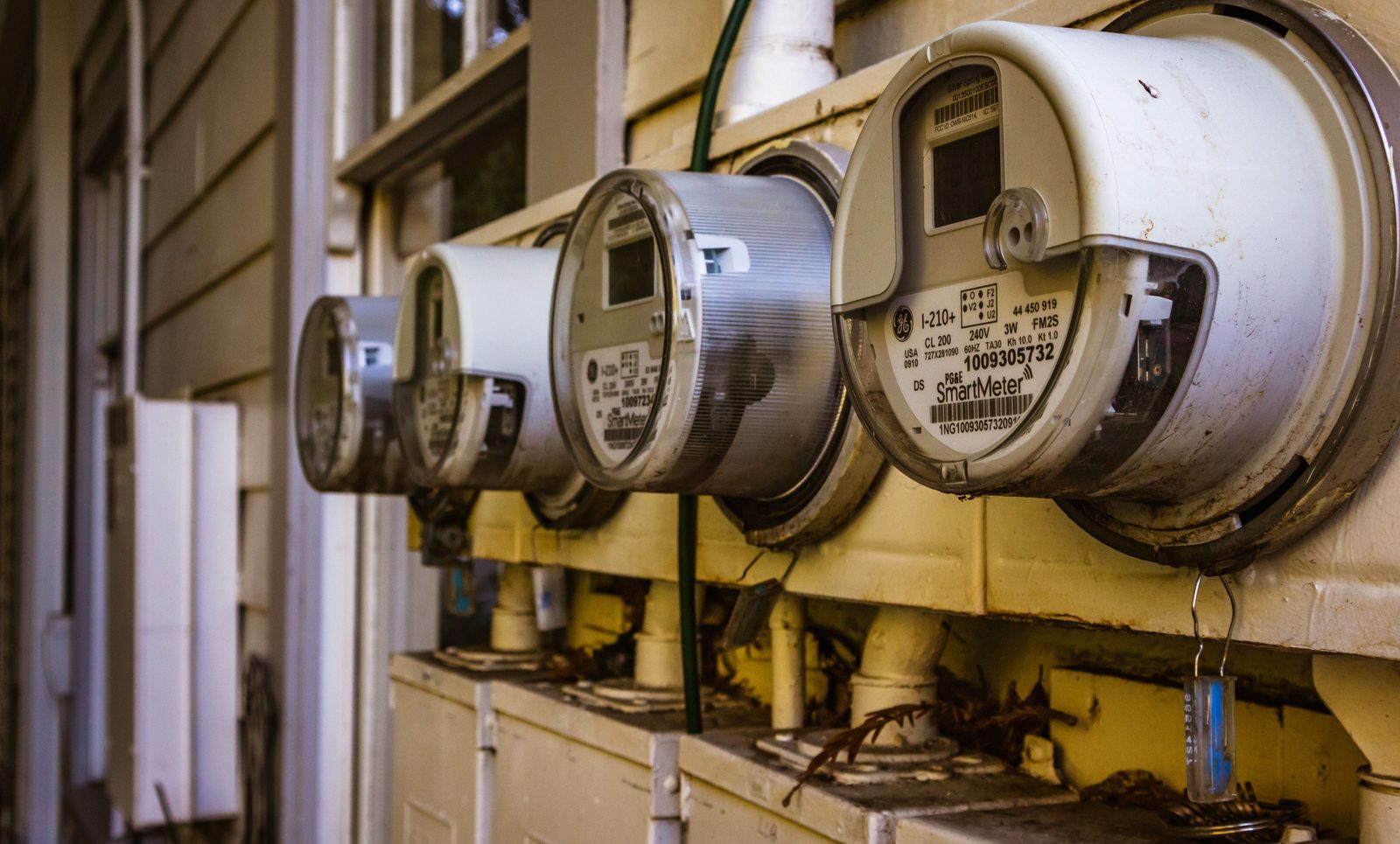
A service upgrade at the meter needs Duquesne Light coordination; a charger circuit on an existing panel usually does not.
Frequently Asked Questions
Which EVs can be charged at home?
All of them. Every battery electric vehicle and plug in hybrid sold in the U.S. can charge from a home outlet or a home Level 2 charger. Tesla and newer NACS equipped cars use the NACS plug; most others use J1772, and adapters cover the gap. The only thing that changes between cars is how fast the onboard charger can accept power.
What is the 80/20 rule for EV charging?
It's a battery care habit: for daily driving, keep the battery between about 20 and 80 percent rather than charging to full every night, because lithium cells age more slowly in that range. Most cars let you set a charge limit. Level 2 at home makes this easy, since you can top up to 80 nightly and go to 100 only before a long trip.
What drains an EV battery the most?
Cold weather and cabin heat are the big ones in Pittsburgh. Running the heater in January cuts range noticeably, and a cold battery charges more slowly too. Highway speeds and towing add up as well. A Level 2 charger at home lets you precondition the car while plugged in, so the battery and cabin warm up on house power instead of the pack.
Does a Level 2 charger need a permit in Pittsburgh?
Yes. A new 240 volt circuit is permitted electrical work everywhere in our service area. The City of Pittsburgh issues permits through PLI; boroughs and townships issue their own. We pull the permit and schedule the inspection on every install, and the inspection record is something your insurer and a future buyer may ask to see.
Can my 100 amp panel support a Level 2 charger?
Often, but not always. It depends on what else is on the panel: central air, an electric range, a dryer, a hot tub. We run a load calculation to find out. If the numbers are tight, a lower amperage charger or one with load management can work on 100 amps. If not, a service upgrade to 200 amps is the long term fix.
Not sure whether your garage outlet is enough or your panel can take a Level 2 circuit? Request a free estimate and we'll look at the panel, the parking spot and the wire run, or call 1-888-681-WIRE any time.
Related Reading

Need an electrician in Pittsburgh?
Honest diagnosis, licensed work, clear pricing. Call us or schedule a visit online.