



Posts by pwsadmin
Knob and Tube Wiring in Pittsburgh: Safety, Insurance, Rewiring

Knob and tube wiring is not an automatic emergency, but in a Pittsburgh house built before World War II it is rarely still safe the way we find it, and most insurers treat it as a problem to fix, not a quirk to live with. For the majority of homes we open up in Squirrel…
Read MoreFederal Pacific and Zinsco Breakers: Why Inspectors Flag Them
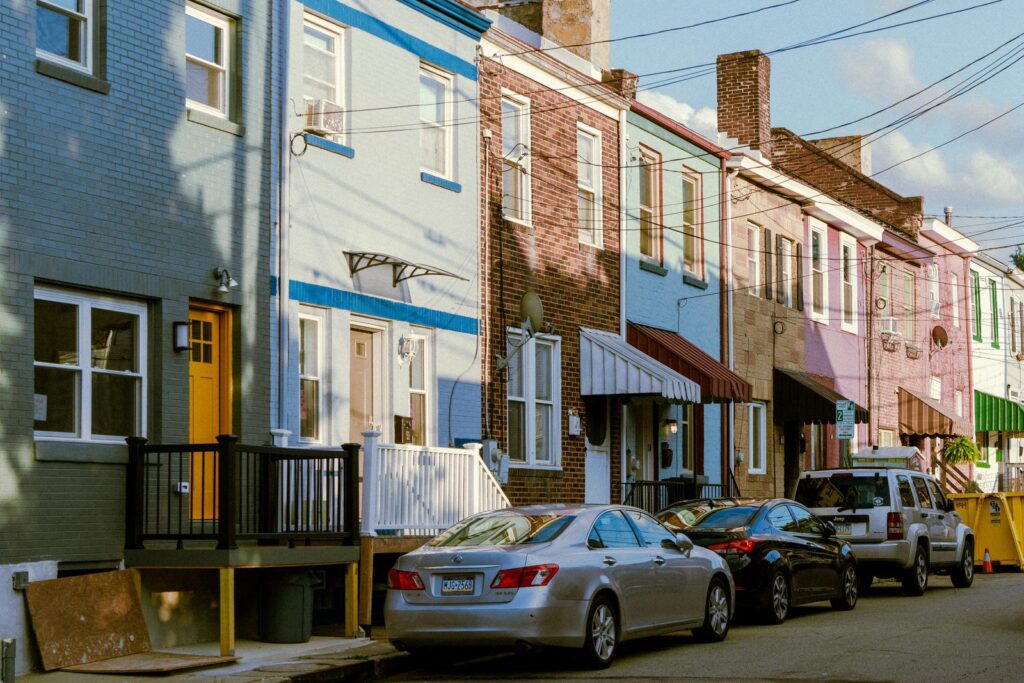
Home inspectors and insurance underwriters flag Federal Pacific breakers and Zinsco panels because both have a documented history of breakers that fail to trip when a circuit is overloaded or shorted. A breaker that doesn't trip leaves the wire carrying more current than it was built for, and that's how a panel problem becomes a…
Read MoreHow to Choose an EV Charger Installer in Pittsburgh: 7 Checks
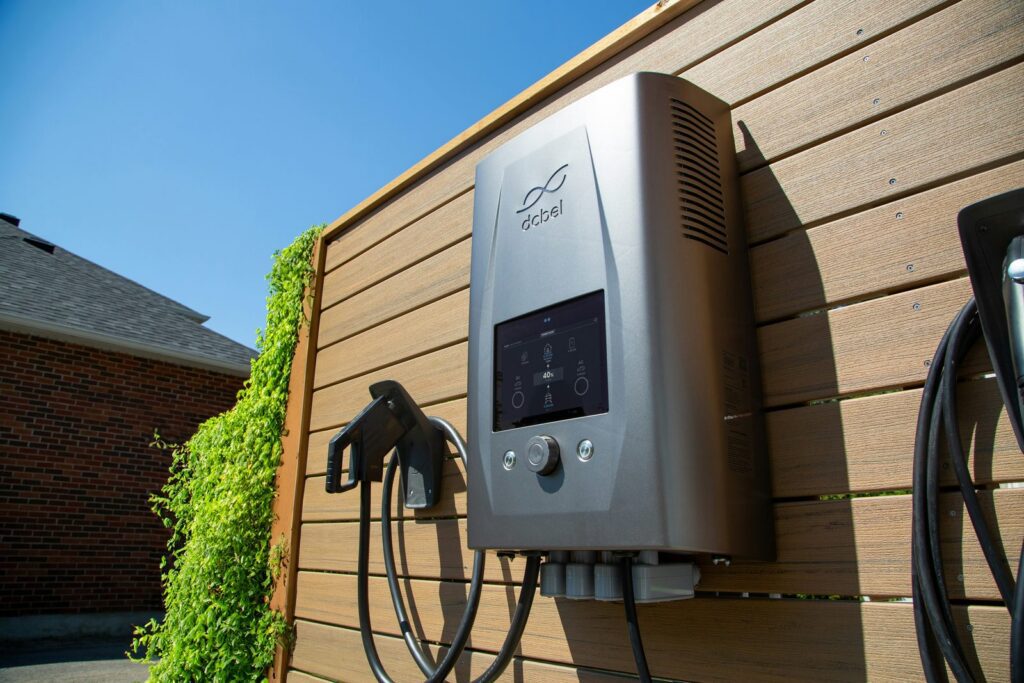
Choose an EV charger installer in Pittsburgh the way you'd choose anyone who is going to open your electrical panel: verify the Pennsylvania home improvement registration, confirm the job will be permitted and inspected, and insist on a load calculation before anyone quotes a circuit. Then look at how they handle the local details: Duquesne…
Read MoreWhat Panel Upgrade Day Looks Like: A Pittsburgh Homeowner’s Walkthrough

You scheduled the panel upgrade. The electrician is coming. The utility will cut power for a few hours. Everything runs on your microwave-digital-clock sense of urgency for the rest of the day. But what’s actually going to happen on your property from 7 am until the new panel is running? Renaissance Electric handles panel upgrades…
Read MoreWeatherproofing Outdoor EV Chargers: Pittsburgh Winters, Summers, and Everything In Between

Not everyone has an attached garage. If your EV lives on a driveway or a parking pad, your charger has to live outside too. Pittsburgh weather hits outdoor chargers from every angle: freeze-thaw cycles, summer humidity, wind-driven rain, and the occasional ice storm that sheets everything exposed. A charger that’s rated for outdoor use and…
Read MoreAdding Recessed Lighting Without Attic Access: How Remodel Cans Work in Pittsburgh Homes

Want to add recessed lights to a first-floor ceiling that has a finished room directly above it? Or to a plaster ceiling with no attic access? Or to a cathedral ceiling with no crawl space? Remodel cans (also called retrofit housings or IC-rated remodel housings) are the answer. They’re designed to be installed from below…
Read MoreWhole-Home Surge Protection for Pittsburgh: Why the Power Strip Isn’t Enough

Pittsburgh gets real storms. Spring and summer thunderstorms, fall wind events, and the occasional ice storm all send voltage spikes through the grid. Inside your house, sensitive electronics (TVs, appliances with circuit boards, HVAC compressors, smart thermostats, LED drivers) are vulnerable. Most homeowners rely on power strips with surge protection for their TV and computer…
Read MoreEV Charging for Pittsburgh Apartments and Condos: How to Make It Work

Most EV install advice assumes a single-family house with an attached garage, a clear run to the panel, and full control of the electrical system. If you live in a Pittsburgh apartment, condo, townhouse with a shared garage, or a co-op with a surface lot, none of those assumptions hold. Charging an EV still works,…
Read MoreSloped-Ceiling Recessed Lighting: Picking the Right Trim and Angle for Pittsburgh Attics and Dormers
Cathedral ceilings, attic finishes, dormers, and second-story bonus rooms all share one challenge: sloped ceilings. A standard recessed can is designed for a flat horizontal ceiling. Drop one in a slope and the light points at an angle you didn’t want, the trim looks askew, and the beam ends up in the wrong place. Sloped-ceiling…
Read MoreAluminum Wiring in Pittsburgh Mid-Century Homes: Pigtail, Replace, or Leave It Alone?
Between roughly 1965 and 1973, a lot of Pittsburgh homes were wired with aluminum branch circuits instead of copper. Copper prices were high, aluminum was a cheaper alternative, and at the time nobody knew that the combination of aluminum wire and standard copper-rated devices would cause the problems it did. Today, houses of that era…
Read More